Can a Chemical Peel Actually Improve Melasma and Uneven Texture?


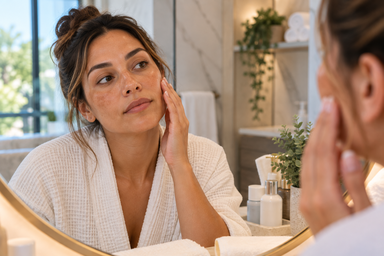
Melasma is one of those skin concerns that can feel especially discouraging, because it often shows up despite doing everything "right." Sunscreen, hats, and careful skincare can still leave patches of uneven pigmentation across the cheeks, forehead, or upper lip, and layered on top of that, many people also notice their skin's texture has become rougher or less even over time. If this sounds familiar, you have likely already come across the chemical peel as a potential solution, and it is worth understanding why.
Chemical peels work differently than most skincare products, using targeted exfoliation to address pigmentation and texture at a deeper level than topical creams alone can reach. Before deciding whether one is right for you, it helps to understand what is actually happening with melasma and uneven texture in the first place.
This guide walks through the causes behind these concerns, how chemical peels help, and what Gilbert, Arizona patients should know before booking a treatment. Updated in August 2026 with current treatment guidance.
What Causes Melasma and Uneven Skin Texture?
What Exactly Is Melasma?
Melasma is a common pigmentation condition that causes brown or grayish patches, typically on the face. It is often triggered or worsened by sun exposure, hormonal changes, and in some cases genetics, which is why it can be so persistent even with a solid skincare routine.
Why Is Melasma So Common Among Gilbert, Arizona Residents?
Because melasma is heavily influenced by UV exposure, Arizona's intense, near-constant sunshine makes it one of the more challenging places to manage. Even brief, unprotected sun exposure can trigger flare-ups, which is part of why so many local residents search for effective, ongoing solutions rather than one-time fixes.
What Causes Uneven Skin Texture?
Rough or uneven texture is often the result of a buildup of dead skin cells, sun damage, or a slowdown in the skin's natural cell turnover process as we age. This can show up as roughness, visible enlarged pores, or patches that catch light unevenly.
Is Melasma Related to Other Pigmentation Concerns?
It can overlap with general hyperpigmentation and sun-related discoloration, though melasma specifically tends to be more hormonally influenced and can be more resistant to treatment, which is why a tailored approach matters.
How Does a Chemical Peel Help With Melasma and Texture?
How Do Chemical Peels Actually Work?
A chemical peel uses a controlled acid solution to exfoliate the outer layers of skin, encouraging the shedding of damaged, pigmented, or uneven cells and promoting the growth of fresher, more even-toned skin underneath.
Can a Chemical Peel Really Improve Melasma?
Yes, certain chemical peels can help fade melasma by targeting excess pigment in the upper layers of skin, though results depend on the depth of the peel and the severity of the melasma. A provider will typically recommend a specific type and strength based on your skin.
Why Might a Series of Peels Work Better Than a Single Treatment?
Melasma in particular tends to respond best to a gradual, consistent approach rather than one aggressive session, since overly intense treatment can sometimes trigger more pigmentation in sensitive or melasma-prone skin. A series of gentler peels, spaced appropriately, tends to produce steadier, safer results.
How Do Chemical Peels Improve Texture Specifically?
By removing the buildup of dead skin cells and encouraging new cell turnover, chemical peels help smooth rough patches and refine overall texture, often leaving skin looking noticeably brighter and more even within days of the treatment.
Is a Chemical Peel Better Than Other Options for Melasma?
It depends on the individual case. Some patients benefit most from a chemical peel alone, while others may see additional improvement when it is paired with a treatment like microneedling or Hydrafacial MD. A consultation is the best way to determine the right combination for your skin.
What Should I Expect From a Chemical Peel Treatment?
Is There Downtime After a Chemical Peel?
This depends on the depth of the peel. Lighter peels typically involve minimal downtime, with some redness or flaking over a few days, while deeper peels may require more recovery time. Your provider will walk you through exactly what to expect based on the peel selected for your skin.
How Many Chemical Peel Sessions Are Recommended for Melasma?
Because melasma tends to be persistent, most treatment plans involve a series of sessions along with strict daily sun protection to prevent flare-ups between treatments.
What Aftercare Is Needed Following a Chemical Peel?
Sun protection is essential after any peel, especially in Arizona. Gentle skincare, avoiding excessive sun exposure, and following your provider's specific aftercare instructions will help protect your results and reduce the risk of pigmentation returning.
Who Should Avoid Chemical Peels for Melasma?
Certain skin types and active skin conditions may require a modified approach. This is why a proper skin evaluation before treatment is so important, particularly for melasma, which can be more sensitive to aggressive treatment.
Why Melasma and Texture Concerns Are So Common in Gilbert, Arizona
Between the sun exposure and dry climate that define daily life here, pigmentation and texture concerns are some of the most frequent reasons patients visit SkinRitual Medspa. Our team understands how uniquely challenging melasma can be to manage in a high-UV environment, and we build peel protocols designed around that reality rather than a generic, one-size-fits-all plan.
Frequently Asked Questions About Chemical Peels for Melasma and Texture
Can a chemical peel make melasma worse? If the wrong type or strength of peel is used, it is possible to trigger more pigmentation in melasma-prone skin. This is why professional evaluation and a carefully selected peel are so important.
How long does it take to see results from a chemical peel? Many patients notice brighter, smoother skin within a few days, though full improvement in melasma typically develops gradually over a series of sessions.
Is a chemical peel painful? Most patients describe a warming or tingling sensation rather than significant pain, and the intensity varies depending on the peel selected.
Will melasma come back after treatment? Melasma can return, especially with unprotected sun exposure, which is why ongoing sun protection and maintenance treatments are typically part of a long-term plan.
Can I combine a chemical peel with other treatments? Yes, many patients combine peels with treatments like microneedling or Hydrafacial MD for a more complete approach to pigmentation and texture.
Peeling Back the Confusion Around Melasma
Melasma and uneven texture can feel like a moving target, especially in a climate as sun-intense as Arizona, but that does not mean you are stuck living with it. A well-chosen chemical peel, paired with consistent sun protection, can make a real, visible difference over time.
If melasma or rough texture has been holding your skin back, our team at SkinRitual Medspa can help you build the right plan. Explore our full services, see real patient results in our before and after gallery, or contact us to schedule a consultation in Gilbert, Arizona.