PRF vs PRP: Which Is Better for Under-Eye Hollows and Dark Circles?


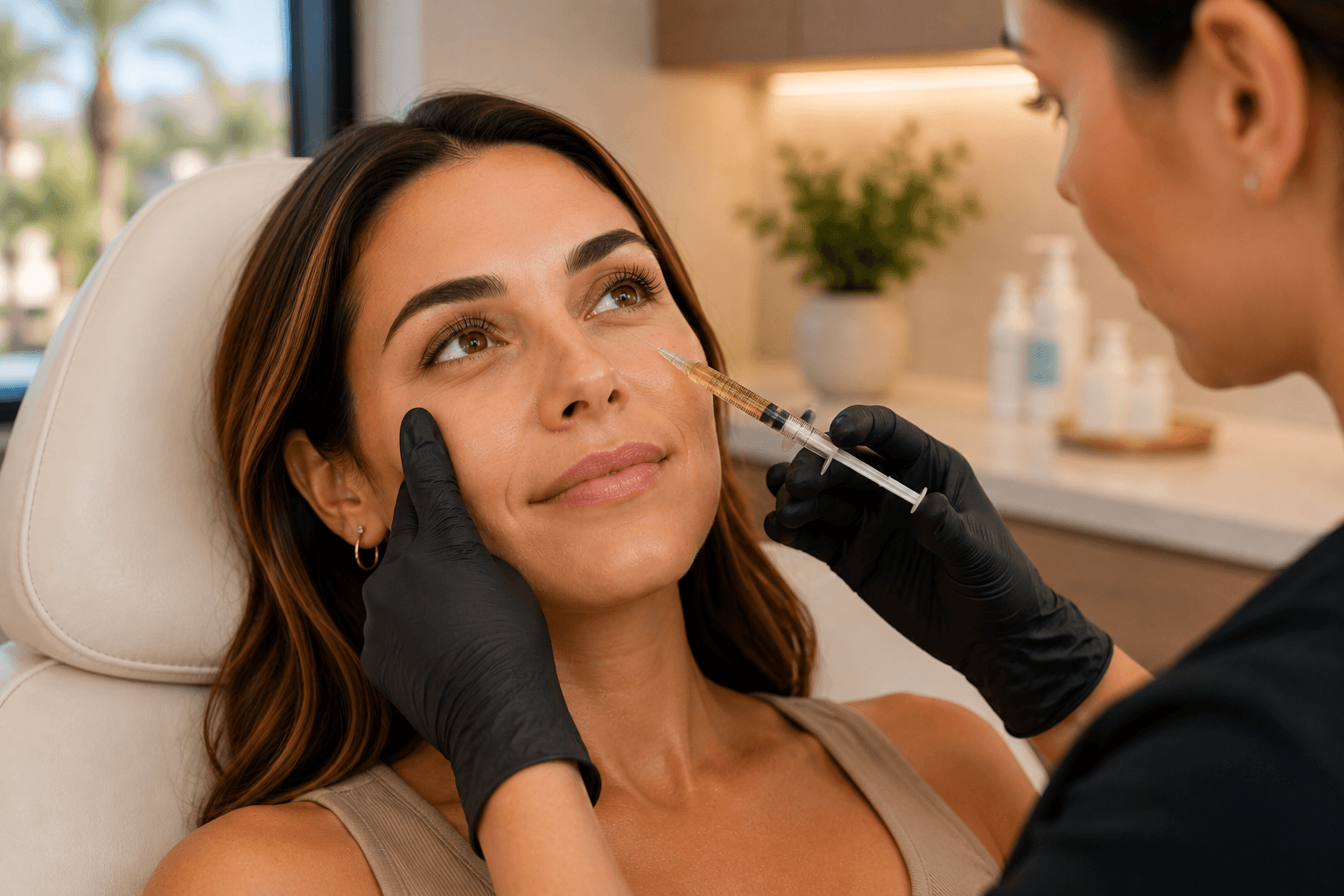
The under-eye area tends to show age and fatigue before almost anywhere else on the face. Hollows deepen, shadows settle in, and even a full night of sleep does not always erase that tired look. Once skincare and concealer stop keeping up, a lot of people start researching regenerative options, and that is usually when the question of PRF vs PRP comes up.
Both treatments use your body's own blood components to encourage repair and rejuvenation, but they are not interchangeable, especially in an area as thin and delicate as the under-eye. Understanding the difference can help you have a much more informed conversation at your next consultation.
This guide covers what causes under-eye hollowing in the first place, how PRF and PRP actually differ, and what to expect if you decide to move forward with either one. Updated in August 2026 to reflect the latest treatment insights.
Why Do Under-Eye Hollows and Dark Circles Happen?
What Causes the Under-Eye Area to Look Hollow?
The skin under the eyes is thinner than almost anywhere else on the face, with very little fat or muscle to cushion it. As we age, natural volume loss and a thinning of the skin's supportive layers make the underlying bone and blood vessels more visible, which is often described as tear trough discoloration and reads as hollowing and shadowing.
Are Dark Circles Always Related to Sleep?
Not necessarily. While fatigue can make dark circles temporarily worse, a lot of what people call dark circles is actually structural, caused by thinning skin, pigmentation changes, or visible blood vessels rather than a lack of rest.
Can Sun Exposure Make Under-Eye Concerns Worse?
Yes. In a sun-intense climate like Arizona, cumulative UV exposure can accelerate collagen breakdown and contribute to pigmentation changes around the eyes, which is part of why this is such a frequently searched concern among Gilbert residents.
What Is the Difference Between PRF and PRP?
What Do PRF and PRP Actually Stand For?
PRP stands for platelet-rich plasma, and PRF stands for platelet-rich fibrin. Both are derived from a small sample of your own blood that is spun down to concentrate the healing components, primarily platelets and growth factors.
How Are PRF and PRP Different in the Way They Work?
PRP is processed at a higher speed, which separates out the platelets in liquid plasma form. PRF is spun at a slower speed, which preserves more white blood cells and a natural fibrin matrix, allowing it to release growth factors more gradually over time.
Which One Releases Growth Factors More Slowly?
PRF tends to release growth factors over a longer period compared to PRP, since the fibrin matrix acts almost like a scaffold that slowly delivers those healing signals. This slower, sustained release is one reason PRF has become a preferred option for delicate areas like under the eyes.
Why Might PRF Be Gentler for the Under-Eye Area?
Because the under-eye area is so thin and sensitive, a gentler, more sustained approach is often better tolerated than a treatment that delivers everything at once. PRF's slower release profile and gel-like consistency make it easier to work with precisely in this area.
Does That Mean PRP Is Not a Good Option at All?
Not at all. PRP still has strong applications, particularly for hair restoration and broader skin rejuvenation. The right choice really comes down to the treatment goal and the area being addressed, which is exactly what a consultation is for.
How Are PRF and PRP Used for Under-Eye Rejuvenation?
What Does a PRF Treatment for Under-Eye Hollows Involve?
A small blood sample is drawn and processed in a centrifuge to isolate the fibrin-rich portion. That concentrate is then carefully injected into the under-eye area as part of a PRF treatment to encourage collagen production, improve skin thickness, and soften the look of hollowing and crepey skin over time.
Is There Downtime After PRF or PRP Injections?
Some mild swelling or bruising is common, particularly in a thin-skinned area like under the eyes, but most patients return to normal activities within a day or two.
How Many Sessions Are Typically Needed?
Results build gradually, so most treatment plans involve a series of sessions spaced several weeks apart, followed by periodic maintenance depending on how your skin responds.
Who Is a Good Candidate for PRF Under the Eyes?
People dealing with mild to moderate under-eye hollowing, thinning skin, or fine lines who want a natural approach using their own biology tend to be strong candidates. Because this is a highly individualized treatment area, a consultation with a qualified provider is the best way to confirm candidacy.
Why Is This Comparison So Relevant for Gilbert, Arizona Residents?
Between the sun exposure and dry climate common throughout the East Valley, many patients in Gilbert notice thinning and volume loss around the eyes earlier than they expected. At SkinRitual Medspa, our team evaluates each patient's skin quality, degree of hollowing, and overall goals before recommending PRF, PRP, or another approach entirely, so the plan actually matches the concern.
Frequently Asked Questions About PRF vs PRP
Is PRF or PRP better for under-eye circles? For most patients, PRF is favored under the eyes because of its gentler application and slower, sustained release of growth factors in this thin-skinned area.
Does PRF under the eyes hurt? Discomfort is generally mild and brief, especially with topical numbing beforehand. Some tenderness and light bruising can occur afterward.
How long do PRF results last under the eyes? Results vary by individual, but many patients maintain improvement for several months to over a year, with periodic touch-ups recommended.
Can PRF be combined with other treatments? Yes, it is often paired with other regenerative or volumizing treatments depending on your specific under-eye concerns.
Is PRP still used anywhere on the face? Yes, PRP remains a strong option for broader skin rejuvenation and hair restoration, even if PRF is often preferred for delicate under-eye work.
The Verdict on PRF vs PRP for Tired-Looking Eyes
There is no universal winner between PRF and PRP, but when it comes to the thin, sensitive skin under the eyes, PRF's gradual, gentler approach tends to make it the more comfortable and effective choice for most patients. The right decision ultimately depends on your skin, your goals, and a provider who can walk you through both options honestly.
If under-eye hollows or dark circles have been wearing on your confidence, our team at SkinRitual Medspa can help you figure out which regenerative option makes sense for you. Browse our full services, see real patient results in our before and after gallery, or contact us to schedule a consultation in Gilbert, Arizona.