Can PRF Help Acne Scars Better Than PRP? A Closer Look at Regenerative Skin Treatments


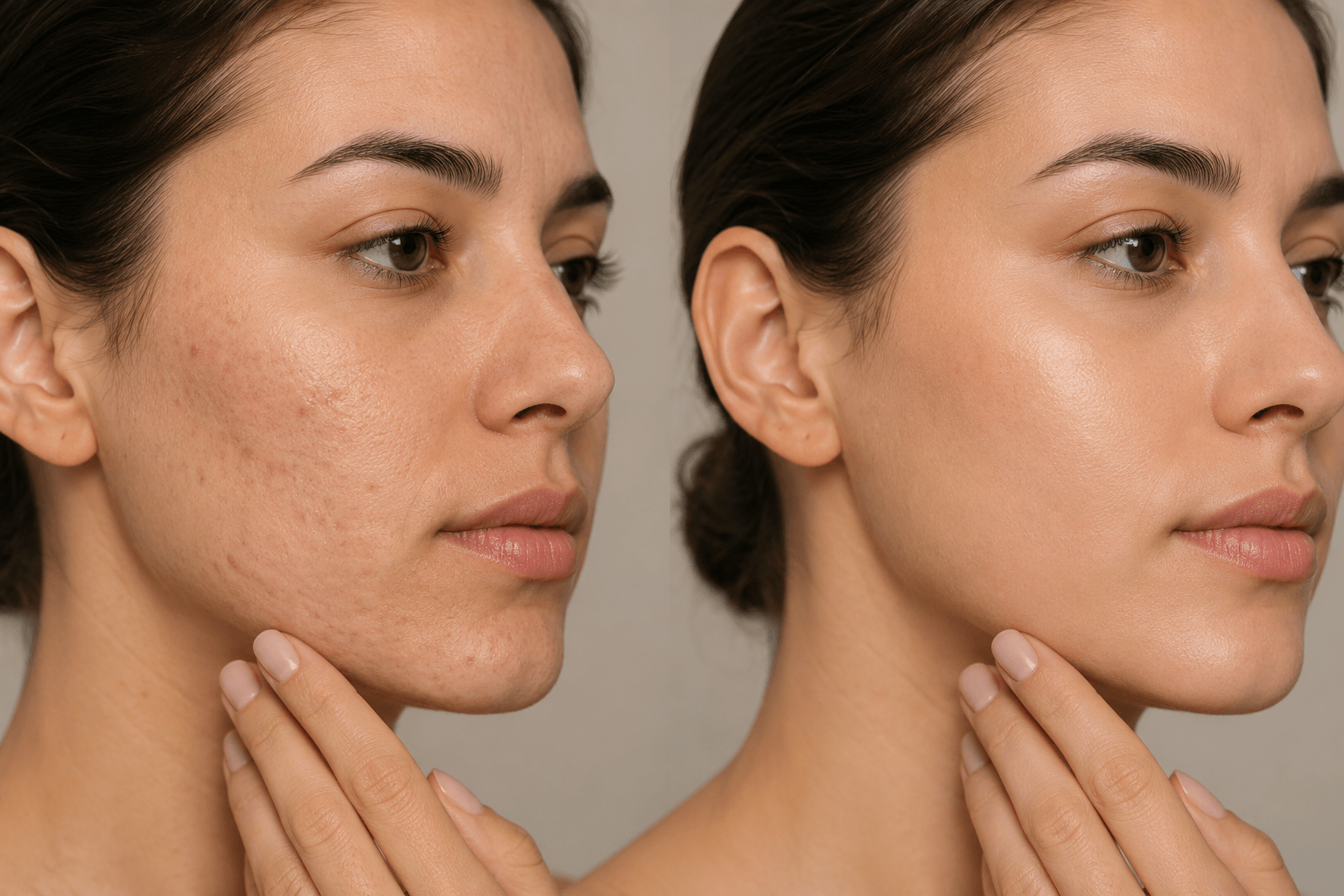
Acne scars can linger long after breakouts have disappeared, leaving behind uneven texture, discoloration, and confidence concerns. As regenerative aesthetics continues to evolve, many people are comparing PRF vs PRP to determine which treatment may provide better results for acne scar improvement.
Both platelet-rich fibrin (PRF) and platelet-rich plasma (PRP) use your body's natural healing components to support skin rejuvenation. However, their differences may influence how effectively they address acne scarring, skin texture, and overall skin quality.
If you're exploring acne scar treatments in Gilbert, Arizona, understanding how these advanced options work can help you make a more informed decision. This article was updated in June 2026 to reflect current insights into PRF and PRP treatments.
What Causes Acne Scarring?
Acne scars develop when inflammation damages the skin's deeper layers. During the healing process, the body may produce too little or too much collagen, resulting in visible imperfections.
Common types of acne scars include:
- Ice pick scars
- Boxcar scars
- Rolling scars
- Post-inflammatory hyperpigmentation
- Textural irregularities
Several factors influence whether acne scars form, including the severity of acne, genetics, delayed treatment, and frequent picking or squeezing of blemishes.
Because acne scars affect the skin beneath the surface, successful treatment often requires stimulating new collagen production rather than simply addressing the outermost layer of skin.
Understanding the Difference Between PRF vs PRP
PRF and PRP are both derived from a patient's own blood. The primary goal of each treatment is to promote tissue repair, collagen production, and skin rejuvenation.
The main difference lies in how the blood is processed and what remains within the final product.
What Is PRP?
PRP, or platelet-rich plasma, is created by spinning blood in a centrifuge at a higher speed to separate and concentrate platelets. These platelets contain growth factors that help support healing and tissue regeneration.
PRP has been used for years in both medical and aesthetic applications, including:
- Skin rejuvenation
- Hair restoration
- Acne scar treatment
- Post-procedure healing
What Is PRF?
PRF, or platelet-rich fibrin, represents a newer generation of regenerative treatment. It is processed at a lower centrifuge speed and contains a richer concentration of platelets, white blood cells, stem cells, and fibrin.
Unlike PRP, PRF does not contain anticoagulants, allowing the growth factors to be released more gradually over time.
This extended release may provide longer-lasting regenerative activity within the skin, which is one reason many patients are increasingly interested in PRF for acne scar treatment.
How Do PRF and PRP Improve Acne Scars?
Both treatments work by encouraging the body's natural repair mechanisms.
When injected into the skin or paired with procedures such as microneedling, the concentrated growth factors stimulate collagen and elastin production. Over time, this process may help improve:
- Scar depth
- Skin texture
- Skin firmness
- Overall complexion
- Uneven tone
PRP for Acne Scars
PRP delivers a concentrated burst of growth factors shortly after treatment. This can help accelerate tissue repair and encourage new collagen formation.
Many patients notice:
- Improved skin smoothness
- Reduced appearance of shallow scars
- Brighter skin tone
- Faster healing following microneedling
PRF for Acne Scars
PRF offers similar benefits while introducing additional regenerative components. The fibrin matrix acts as a scaffold that slowly releases growth factors over time.
Potential advantages of PRF include:
- Longer-lasting regenerative effects
- Enhanced collagen stimulation
- Improved tissue support
- Increased skin rejuvenation potential
For deeper or more stubborn acne scars, some providers believe PRF may offer a more sustained healing response compared to PRP.
Which Treatment Works Better With Microneedling?
The treatment creates controlled micro-injuries within the skin, triggering collagen production and allowing growth factors to penetrate more effectively.
PRP and Microneedling
PRP has long been paired with microneedling because it helps accelerate healing and enhance collagen formation. Patients often experience smoother skin and improved scar appearance after a series of treatments.
PRF and Microneedling
PRF is becoming increasingly popular as a microneedling enhancement due to its slower growth factor release and higher concentration of regenerative cells.
Many aesthetic professionals report that combining PRF with microneedling may help:
- Support longer-term collagen remodeling
- Improve skin texture more gradually
- Enhance overall rejuvenation results
- Address deeper textural concerns
While individual outcomes vary, PRF is often viewed as a promising option for patients seeking a more comprehensive regenerative approach.
How Many Sessions May Be Needed for Visible Improvement?
Acne scar treatment is rarely a one-session process.
The number of treatments needed depends on:
- Scar type
- Scar severity
- Skin quality
- Age
- Individual healing response
Most patients begin seeing improvements after a few sessions, with continued enhancement occurring as collagen develops over several months.
Typical treatment plans may include:
Mild Acne Scars
- 2 to 3 sessions
- Several weeks apart
Moderate Acne Scars
- 3 to 5 sessions
- Combined with microneedling or other collagen-stimulating procedures
Severe Acne Scars
- Multiple treatment sessions
- Comprehensive treatment plans tailored to individual needs
Because collagen remodeling is gradual, final improvements may continue to appear for several months following the last treatment.
Who Is a Good Candidate for Acne Scar Treatment?
Many individuals with acne scarring may benefit from regenerative treatments like PRF or PRP.
Good candidates often include those who:
- Have mild to moderate acne scars
- Want a natural treatment option
- Prefer using their body's own healing mechanisms
- Have realistic expectations about gradual improvement
- Are in good overall health
Patients experiencing active acne outbreaks may need to address ongoing breakouts before beginning scar-focused treatments.
A consultation with a qualified provider can help determine whether PRF, PRP, microneedling, or a combination approach may be appropriate for specific skin concerns.
Can PRF Improve Skin Texture and Tone?
One of the reasons PRF has generated significant interest is its potential to address more than just acne scars.
Because PRF supports collagen production and tissue regeneration, many patients notice improvements in:
Skin Texture
Collagen remodeling can help create a smoother skin surface and soften uneven areas caused by acne scarring.
Skin Tone
Improved circulation and cellular renewal may contribute to a brighter, healthier-looking complexion.
Fine Lines and Early Signs of Aging
The regenerative properties of PRF can also support skin firmness and elasticity, making it a versatile option for overall skin rejuvenation.
Overall Skin Quality
Many patients report that their skin appears healthier, more radiant, and more balanced following a series of treatments.
Why Are More Patients Interested in Regenerative Aesthetic Treatments?
The popularity of regenerative procedures continues to grow because they focus on enhancing the body's natural healing abilities rather than introducing synthetic substances.
Many people appreciate that treatments such as PRF and PRP:
- Use their own biological materials
- Require minimal downtime
- Support gradual, natural-looking improvements
- Complement other aesthetic procedures
This growing interest can be seen across many types of aesthetic practices, from a modern medspa environment to advanced aesthetic clinic settings and even wellness-focused beauty spa experiences where skin rejuvenation remains a top priority.
As patient demand for natural-looking results increases, regenerative treatments continue to play a larger role in comprehensive skincare plans.
Frequently Asked Questions
Is PRF better than PRP for acne scars?
Both treatments can improve acne scars, but PRF may provide longer-lasting regenerative effects due to its gradual release of growth factors. The best option depends on your skin condition and treatment goals.
Does microneedling with PRF hurt?
Most patients tolerate the procedure well. A topical numbing cream is typically applied beforehand to maximize comfort during treatment.
How long does it take to see acne scar improvement?
Many patients begin noticing changes within several weeks, but significant collagen remodeling often continues for several months after treatment.
Can PRF improve skin tone in addition to acne scars?
Yes. PRF may help enhance skin texture, brightness, and overall skin quality while also addressing acne-related imperfections.
Are PRF and PRP safe?
Because both treatments use your own blood-derived components, they are generally considered safe when performed by qualified medical professionals.
Is there downtime after PRF or PRP treatments?
Most patients experience mild redness, swelling, or sensitivity for a few days. Recovery time may vary depending on whether the treatment is combined with microneedling.
From Scars to Smoother Skin: Is PRF the Next Step?
When comparing PRF vs PRP for acne scars, both treatments offer meaningful benefits through collagen stimulation and natural tissue regeneration. PRP has a long history of success in aesthetic medicine, while PRF introduces a newer approach that may provide a more sustained healing response.
For many individuals seeking smoother skin, improved texture, and long-term rejuvenation, PRF represents an exciting advancement in regenerative aesthetics. The most effective treatment plan ultimately depends on your unique skin concerns, scar severity, and overall goals. Consulting with an experienced provider in Gilbert, Arizona can help determine which option may deliver the best results for your skin's journey toward renewal.