Can a Chemical Peel Fade Dark Spots Left Behind by Acne?


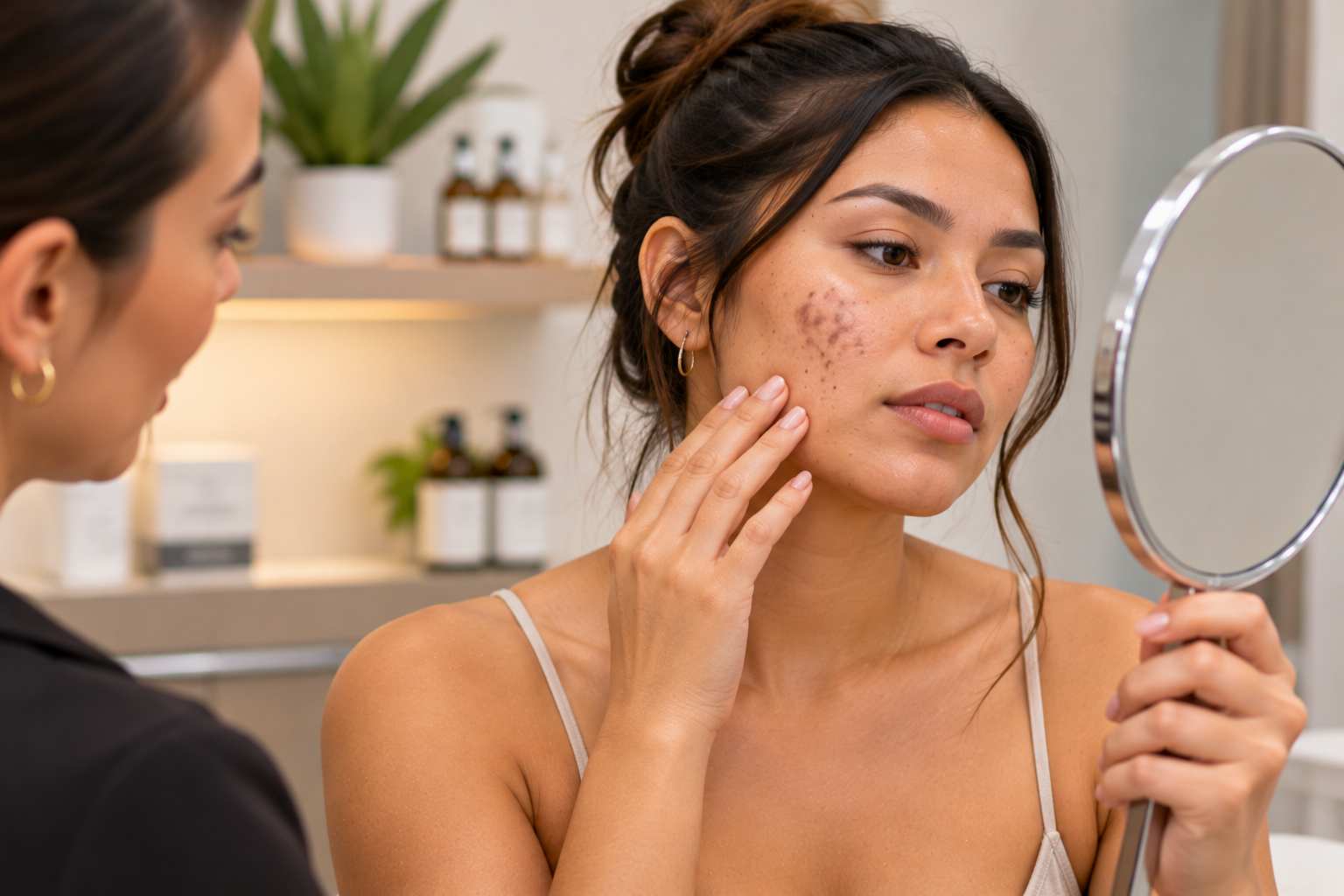
The breakout is finally gone. The bump has flattened, the tenderness has faded, and yet a brown, pink, or purple mark is still sitting right where the pimple used to be. Weeks go by and it is still there, along with a few of its friends from previous breakouts.
These lingering marks are one of the most frustrating parts of acne, especially for people who have finally gotten their breakouts under control. They make skin look uneven, they show through makeup, and in the bright Arizona sun, they can seem to darken just when you think they are fading.
A chemical peel is one of the most common ways to help fade these marks. Here is how it works, who tends to benefit, and how to protect your results in Gilbert's sunshine.
What Are the Dark Spots Left After Acne?
The flat dark marks that linger after a breakout are usually a type of discoloration called post-inflammatory hyperpigmentation. They form when inflammation from a pimple triggers extra pigment production in the skin.
According to Cleveland Clinic, skin injuries such as acne can lead to dark spots when damaged skin cells produce extra melanin. These spots can look brown, black, gray, red, or pink, and new ones can appear, especially with unprotected sun exposure.
Are Acne Marks the Same as Acne Scars?
No. Acne marks are flat areas of discoloration. Acne scars are changes in the skin's texture, such as indentations or pits. This difference matters, because the treatments that work well for one are not always the right fit for the other.
A chemical peel is well suited to flat discoloration from past breakouts. For indented scars, our Acne Scars page explains options like microneedling and other collagen-building treatments.
How Does a Chemical Peel Help Fade Acne Marks?
A chemical peel uses targeted acids to exfoliate the outer layer of skin and speed up cell turnover. As older, discolored cells shed, fresher skin underneath is revealed, which can help dark marks fade over time.
At Skin Ritual, our Chemical Peel (The Perfect Peel) is customized to your skin. It is used for acne, dark spots from previous breakouts, dullness, discoloration, hyperpigmentation, and uneven texture and tone. Your provider determines the right peel approach after a consultation and skin assessment.
Many people notice brighter skin shortly after treatment, while fuller results can take a week or more as skin heals and renews. Stubborn or deeper marks often need more than one session as part of a longer-term plan.
What Does a Chemical Peel Feel Like?
Most people feel tingling or mild warmth during the treatment, which is temporary. Your provider monitors your comfort throughout.
Afterward, it is normal to experience some redness, sensitivity, and peeling. How much depends on the strength of your peel and your skin. Following your aftercare instructions helps your skin heal smoothly.
Who Is a Good Candidate for a Chemical Peel for Acne Marks?
Adults with flat post-breakout discoloration, uneven tone, and dullness are often good candidates. A consultation is important to make sure your skin is ready, especially if you still have active breakouts or sensitive skin.
Gen Z and Younger Adults Moving Past Breakouts
Many young adults finally get their acne under control only to find themselves left with a constellation of dark marks. A chemical peel can be a helpful next step, especially when combined with a consistent home routine and daily sunscreen. It is also a chance to learn which products support your skin rather than irritate it.
If you are still dealing with frequent, painful, or cystic breakouts, start with a physician or dermatologist. Treating active acne medically first often makes a peel more effective and lowers the risk of new marks.
Men With Breakout Marks Along the Jaw and Chin
Men often notice lingering marks along the jawline, chin, and neck, sometimes from breakouts or irritation linked to shaving. A chemical peel can help even out tone in these areas. Let your provider know about your shaving routine so they can give you specific guidance on when to shave before and after treatment.
People With Deeper Skin Tones
Post-breakout dark marks are often more noticeable and longer-lasting in deeper skin tones. Chemical peels can help, but they also carry a higher risk of pigment changes in deeper skin tones. According to Mayo Clinic, skin color changes after a peel are more common in people with brown or black skin and can sometimes be permanent. That is why a careful skin assessment and a customized, conservative approach matter.
Why Does the Arizona Sun Matter So Much for Acne Marks?
UV exposure can darken existing marks and slow their fading, and freshly peeled skin is more sensitive to the sun. In Gilbert, strict sun protection is one of the most important parts of any plan for discoloration.
Mayo Clinic also notes that too much sun before a peel can cause irregular pigmentation in treated areas. Before treatment, avoid sun exposure and exfoliating products that could irritate your skin. After treatment, keep your skin cool, avoid direct sunlight, and use broad-spectrum sunscreen daily.
In Arizona, that means sunscreen every morning, reapplication when you are outdoors, and shade whenever possible. Many people find fall and winter a more comfortable time to start a peel series, though sun protection matters all year.
Can You Combine a Chemical Peel With Other Treatments?
Yes, depending on your skin. Your provider may suggest a combination plan to address both discoloration and texture, or to keep congestion under control while marks fade.
Options your provider may consider include:
- Hydrafacial MD for ongoing congestion and clogged pores
- Microneedling for indented acne scars and rough texture
- Medical-grade home care from our shop, which carries ZO Skin Health, Skinbetter Science, and Alastin Skincare
Your provider will space treatments appropriately so your skin has time to recover between sessions.
What Should You Avoid Before and After a Chemical Peel?
Preparation and aftercare play a major role in your results. Avoiding sun and irritating products helps lower the risk of complications and supports even healing.
Before your peel:
- Avoid sun exposure and tanning.
- Pause exfoliating products as directed by your provider.
- Share your full health history, medications, and skincare routine, including any recent use of acne medications.
After your peel:
- Keep your skin cool and avoid direct sunlight.
- Use broad-spectrum sunscreen daily.
- Do not pick or pull at peeling skin.
- Follow your provider's aftercare instructions closely.
Never stop a prescribed medication on your own. If you are using prescription acne treatments, talk with your prescriber and your provider about timing.
For more on how peels help with tone and texture, our article on chemical peels for melasma and uneven texture offers additional insight.
Frequently Asked Questions About Chemical Peels for Acne Marks
How many chemical peels does it take to fade acne marks?
It depends on how dark and long-standing the marks are. Some people see improvement after one peel, while others benefit from a series planned by their provider.
Can a chemical peel remove acne scars?
A chemical peel is better suited to flat discoloration. Indented acne scars usually respond better to collagen-building treatments like microneedling.
Can a chemical peel work for darker skin tones?
Chemical peels can be used for many skin tones with careful planning, but deeper skin tones carry a higher risk of pigment changes. A thorough skin assessment is essential.
Can I get a chemical peel if I still have breakouts?
Possibly. Peels can help with acne, but active moderate or severe breakouts should be evaluated by a physician or dermatologist first.
How long does peeling last after a chemical peel?
It varies with peel strength and your skin. Full results can take a week or more as skin heals.
Will acne marks come back after a peel?
Existing marks can fade, but new breakouts and sun exposure can create new ones. Consistent skincare and sunscreen help maintain results.
Fade the Marks, Keep the Glow, Wear the SPF
Acne may be behind you, but those lingering marks do not have to stay. A customized chemical peel can help fade post-breakout discoloration and bring back a more even, radiant tone, especially when paired with smart sun protection and consistent home care.
If you are ready to move on from the marks your breakouts left behind, the team at Skin Ritual in Gilbert would love to help. Book a consultation online, call 480.702.2442, text 480.418.2552, or reach out through our Contact page. We welcome patients from Gilbert, Chandler, Mesa, Queen Creek, and across the East Valley.