Can Microneedling Improve Acne Scars in Gilbert, Arizona?


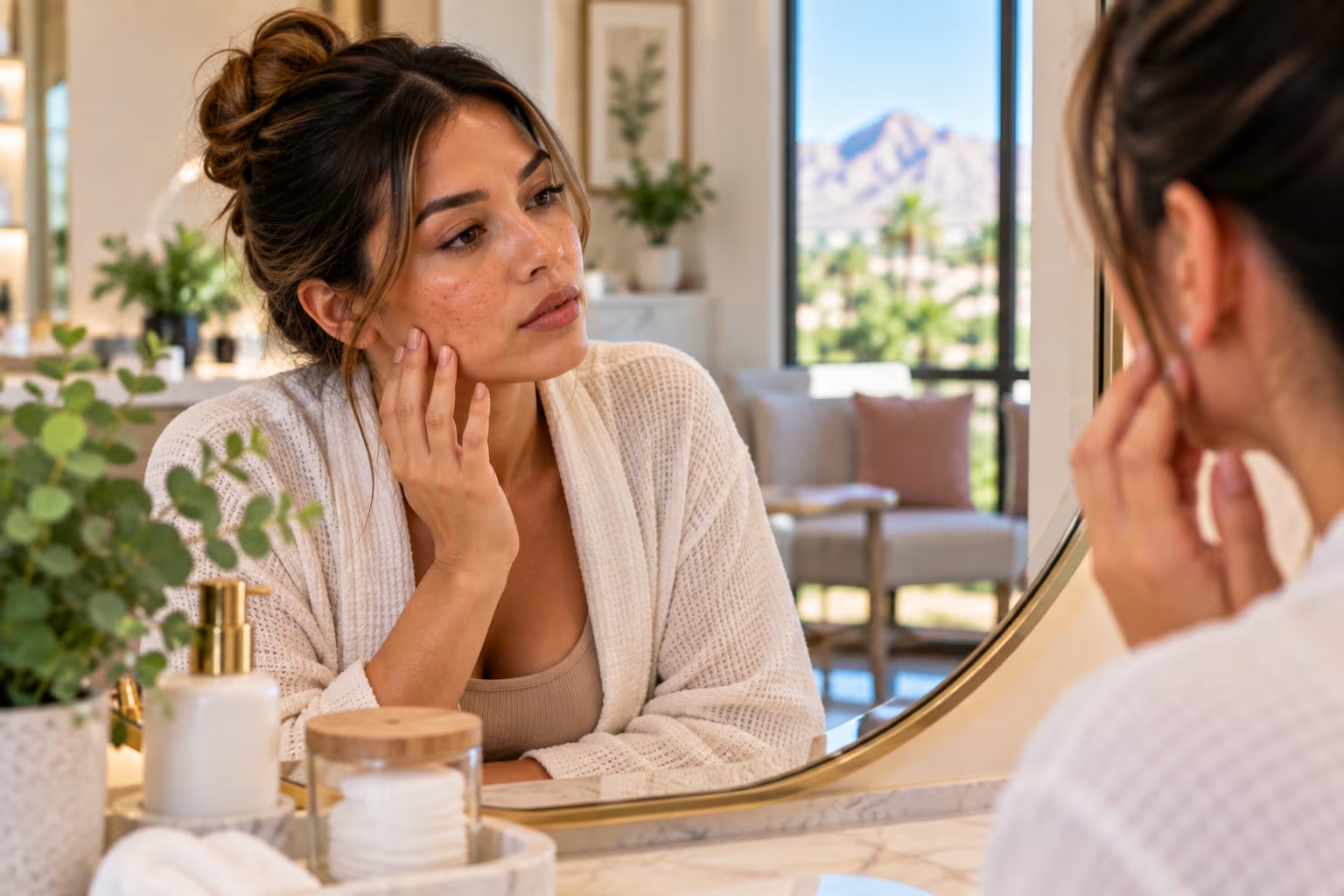
Acne scarring has a strange way of sticking around long after the breakouts themselves have calmed down. For a lot of people, especially those who dealt with acne through their teens and into their twenties, the scars and texture left behind can feel more frustrating than the original breakouts ever were, mostly because there is no single product that reliably fixes them.
This is one of the most common reasons patients ask about microneedling, and for good reason. Unlike a serum or a spot treatment, microneedling works by triggering your skin's own repair process, which makes it one of the more effective options available for textural concerns that topical products alone cannot fully address.
Why Acne Scars Are So Hard to Treat at Home
Acne scarring typically falls into a few categories, including shallow indentations, deeper pitted scars, and rolling texture that becomes more visible in certain lighting. These changes happen below the surface layer of skin, in the deeper dermal tissue, which is exactly why creams and exfoliants tend to have limited effect no matter how consistently they are used. You are trying to treat a structural issue with a surface level solution.
This is particularly frustrating for younger patients who may have spent years managing their acne carefully, only to be left with textural reminders that feel disconnected from anything currently happening with their skin. It is a common enough experience that it deserves a real, structural answer rather than another round of trial and error products.
How Microneedling Actually Works
Microneedling uses a device with a series of extremely fine needles to create controlled micro injuries in the skin. This might sound intense, but the needles are tiny and the depth is carefully controlled by your provider. Those micro injuries trigger your body's natural wound healing response, which includes producing new collagen and elastin in the treated area over the following weeks.
For acne scars specifically, this process helps fill in and smooth out textural irregularities from the inside, rather than simply resurfacing the top layer of skin the way some other treatments do. Results build gradually over a series of sessions rather than appearing all at once, which reflects the fact that real collagen remodeling takes time.
Traditional Microneedling vs RF Microneedling
Skin Ritual offers both traditional microneedling and Vivace RF microneedling, which combines the same micro injury process with radiofrequency energy delivered through the needles. The added heat from radiofrequency can enhance collagen stimulation and is often recommended for patients dealing with deeper scarring or looser skin texture in addition to surface irregularities.
A consultation is the best way to determine which approach fits your specific scarring pattern, since rolling scars, boxcar scars, and general textural unevenness can respond differently depending on depth and technique.
Beyond Acne Scars: Other Concerns Microneedling Can Help
While acne scarring is one of the most common reasons patients seek out microneedling, it is far from the only one. Many patients also use it to address enlarged pores that have become more noticeable over time, general uneven texture unrelated to acne, and early fine lines in patients who want to support collagen production before deeper wrinkles form.
If you are unsure whether microneedling or a different treatment would better suit your skin, it can help to compare it against other popular options, such as the breakdown on microneedling versus HydraFacial, which explains how the two treatments target different layers of skin concerns.
What to Expect During and After Treatment
Most patients describe the sensation during microneedling as a mild vibrating or scratching feeling rather than sharp pain, especially since a numbing cream is typically applied beforehand. Redness similar to a mild sunburn is common for a day or two afterward, and some patients experience light flaking as the skin renews itself over the following week.
Because results depend on your body's own collagen production, a series of three to six sessions spaced about four to six weeks apart is typically recommended for meaningful improvement in acne scarring, with results continuing to develop for months after the final session.
Why Consistency Matters More Than Intensity
One thing that surprises a lot of first time patients is that microneedling works better as a series than as a single aggressive session. Your skin needs time between treatments to complete its healing and collagen building process, which is part of why an experienced provider will map out a realistic treatment timeline rather than promising instant, dramatic results after one visit.
This is especially relevant for younger patients who may be eager to see fast results and tempted by more aggressive at home devices marketed on social media. Professional grade microneedling, performed by a trained provider who can control needle depth precisely, produces far more consistent and safer results than a handheld device used without medical guidance.
The team at Skin Ritual builds individualized microneedling plans based on your specific scarring pattern and skin goals, with real results visible in the before and after gallery.
Frequently Asked Questions
Can microneedling completely remove acne scars? Microneedling significantly improves the appearance of most acne scars by smoothing texture and stimulating collagen, though complete removal depends on scar depth and type. A consultation can set realistic expectations for your specific skin.
How many microneedling sessions are needed for acne scars? Most patients need three to six sessions spaced four to six weeks apart, though this varies based on scar severity and individual skin response.
Is microneedling safe for active acne? Microneedling is generally recommended for patients whose acne is under control, since treating active breakouts can spread bacteria and cause irritation. Your provider can help determine the right timing.
What is the difference between microneedling and RF microneedling? RF microneedling adds radiofrequency energy to the same micro injury process, which can enhance collagen stimulation for deeper scarring or skin laxity in addition to surface texture.
How long is recovery after microneedling? Most patients experience redness for one to two days, similar to a mild sunburn, with minimal downtime overall.
Ready to talk through a microneedling plan built around your skin's specific scarring and texture? Book a consultation with Skin Ritual in Gilbert, Arizona.
Updated September 2026
Your Skin Has a Memory, but It Can Also Rewrite It
Acne scars are proof of something your skin went through, not a permanent sentence. With the right approach and a little patience, texture can soften in ways that once felt out of reach.